Time-consuming problems
Irregular running, weak striking, reluctant winding and worn pivots are rarely solved by quick adjustment alone. Proper restoration requires inspection, cleaning, correction and testing.

Trend Haven restores antique clocks with a careful workshop process that protects original character while returning dependable mechanical function. We work with mantel clocks, wall clocks, longcase clocks and heirloom timepieces that have suffered from rust, dried oil, wear, storage damage or earlier unsuitable repair attempts.
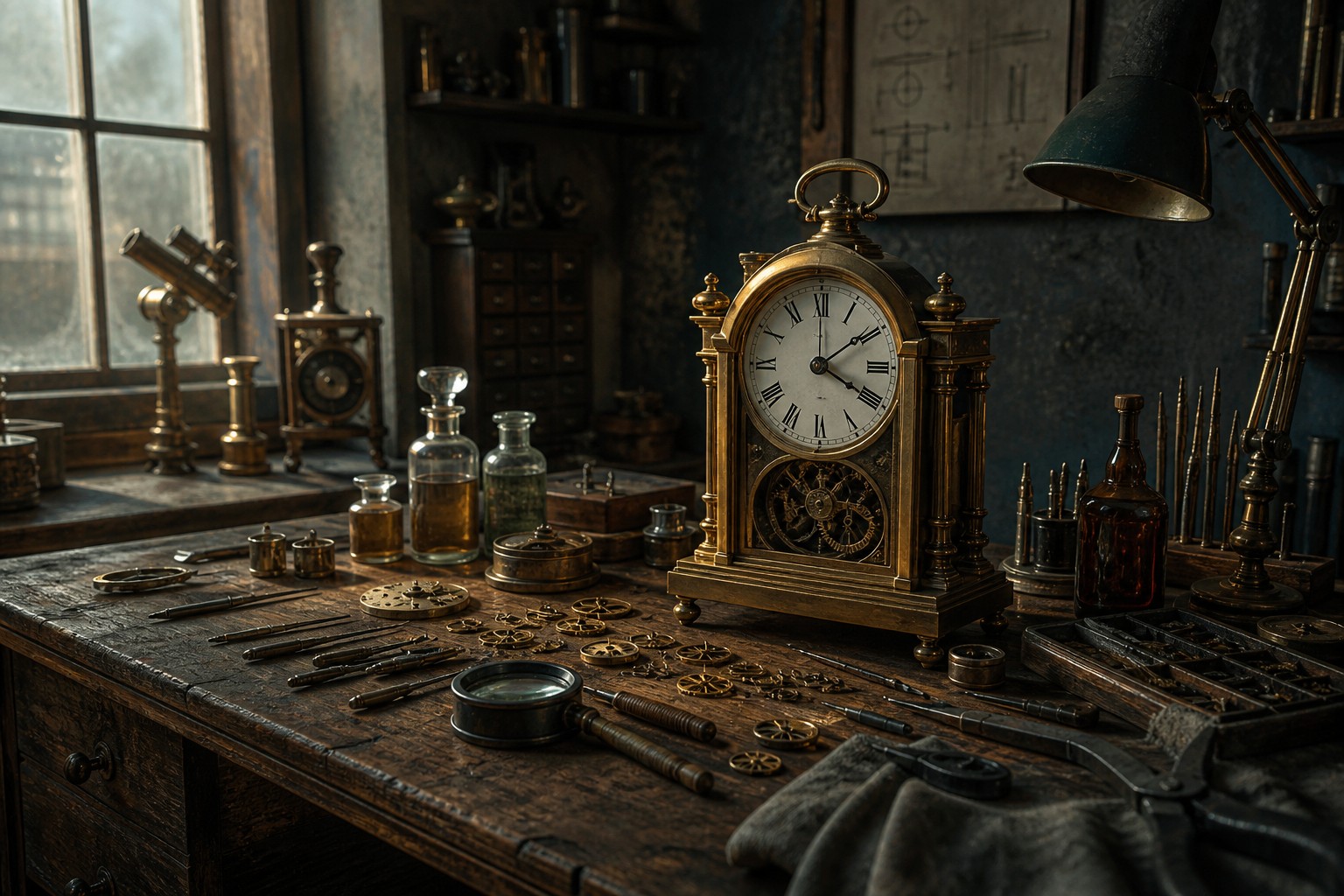
Old clocks usually decline slowly. A movement may still tick, but hidden friction, corrosion and unstable materials can lead to repeated stoppages, damaged components and unnecessary cosmetic loss.
Irregular running, weak striking, reluctant winding and worn pivots are rarely solved by quick adjustment alone. Proper restoration requires inspection, cleaning, correction and testing.
When active rust, dried lubricant or poor transport are left untreated, the movement often suffers more wear. Early, sensible restoration is usually kinder to the clock than repeated short-term fixes.
Owners are often told to polish, oil or replace parts without understanding the consequences. A good workshop explains what is necessary, what is optional and what should be left alone.
Our workshop combines traditional bench skill with a structured modern process. Each clock is assessed, the likely causes of failure are explained and the owner receives clear advice before any major work begins.
We identify the actual causes of failure, including rust, friction, dirt, wear and instability caused by poor storage or previous repair attempts.
Each movement, dial and case is handled according to its materials, condition and historical character. We avoid a one-method-fits-all approach.
Every project ends with practical advice on winding, placement, humidity, transport and the warning signs that should never be ignored.
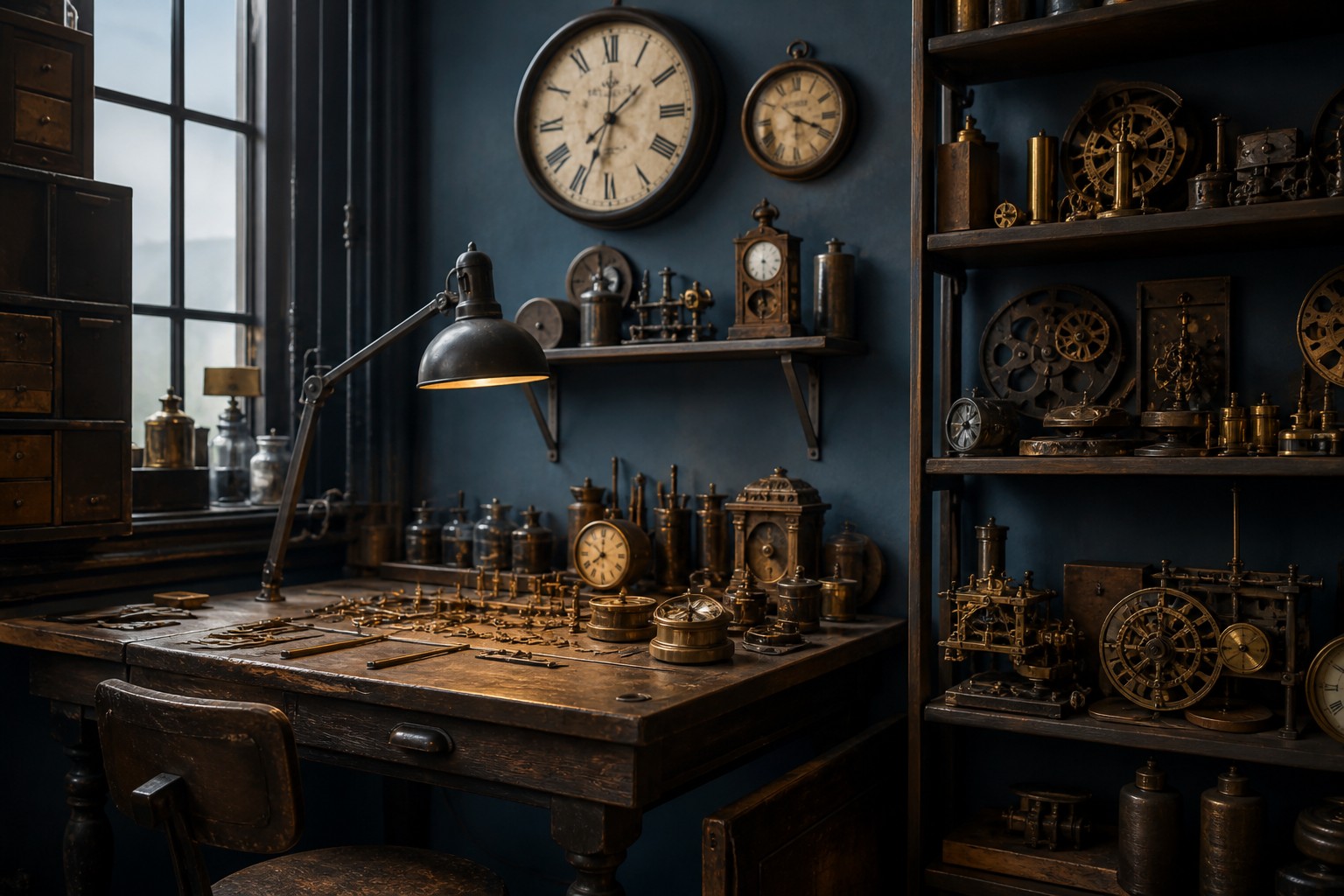
Three core service areas cover most antique clock needs, from mechanical faults to surface conservation and long-term care.
Inspection, dismantling, cleaning, lubrication, wear correction and testing for antique mechanical movements that no longer run or run poorly.
Careful treatment for steel components, rusted screws, hands, springs and other vulnerable parts affected by corrosion or unstable storage conditions.
Sympathetic work for dials, hands and cabinets, together with advice for collectors and families caring for inherited clocks.
Every successful project combines careful workmanship with a realistic understanding of what the clock needs and what its owner values most.
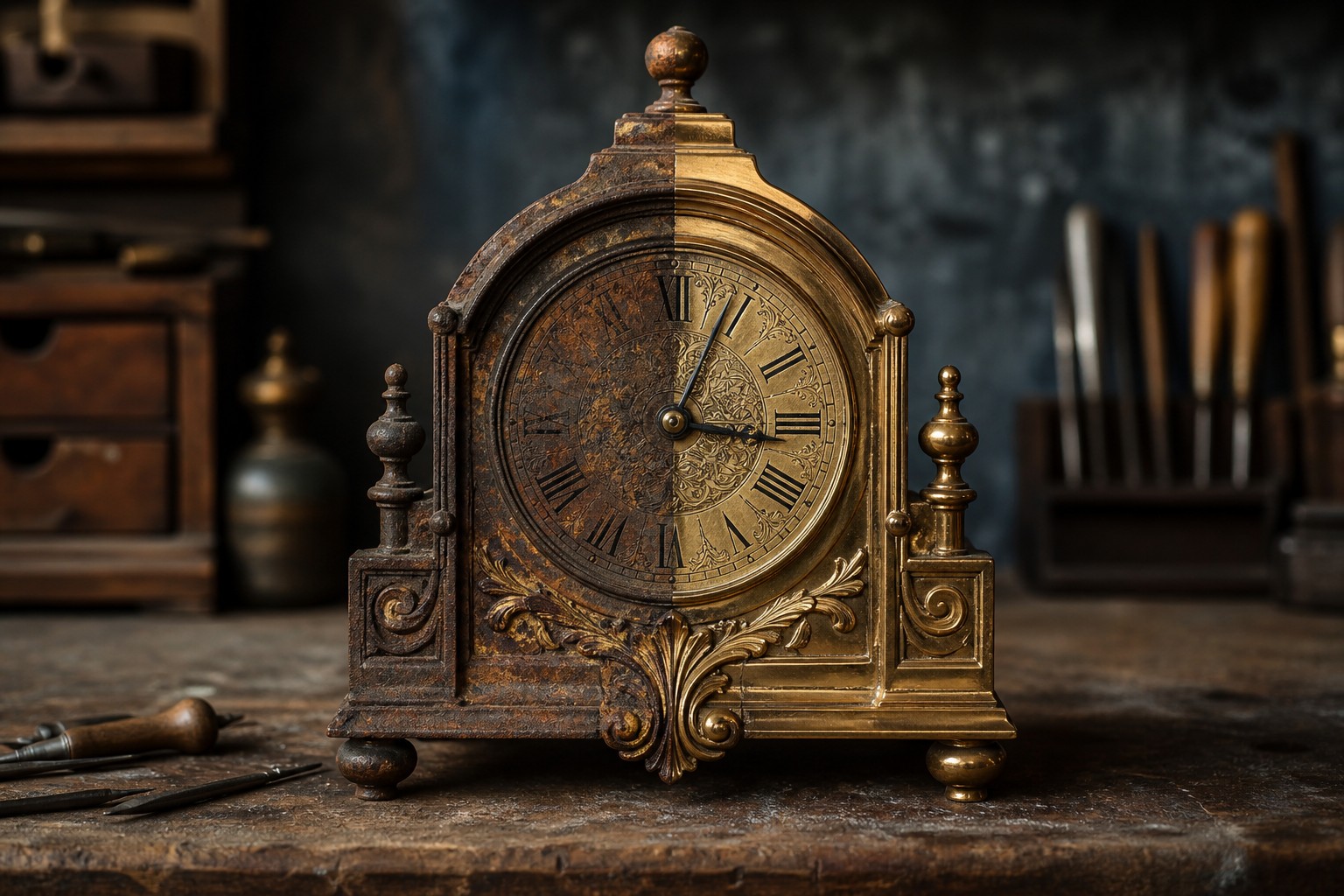
Arrived with dried lubricant, active rust on steel components and uneven strike behaviour. After cleaning, mechanical correction and regulation, the clock returned to steady running without unnecessary bright polishing.
Result: Stable performance, cleaner action and a finish consistent with the clock’s age.
This project involved missing setup knowledge, transport concerns and signs of earlier amateur repair. The workshop focused on safe correction, clear documentation and guidance for future care.
Result: Improved reliability and a much lower risk of repeated owner-side damage.
Good restoration should make ownership easier. The clock should be safer to use, easier to understand and less likely to suffer from repeated avoidable damage.
We explain how to wind, position and transport the clock properly, and how to recognise signs that tell you to stop it and seek advice.
From a single family clock to a small private collection, our recommendations are adjusted to the type of ownership and the level of care required.
Rust, patina, darkened brass and aged finishes are understood in context. The aim is not to erase age, but to protect what remains sound and meaningful.
Antique clocks are complex objects. Metal, timber, glass, lacquer and painted dials all age differently, and mechanical faults are often made worse by rushed intervention. A clock that has survived decades should not be treated like a decorative prop. It needs a workshop that understands how materials behave over time and how small mechanical relationships affect the whole piece.
That is why our work begins with observation rather than assumption. We look at active rust, dried oil, wear, looseness, missing parts, signs of previous repair and the expectations of the owner. Some clocks need full movement service. Others need only stabilisation, advice and better handling. Distinguishing between those situations is what keeps restoration honest.
Owners also need clarity. They should know what has gone wrong, what the realistic options are and how the clock can be protected in the future. This combination of practical skill, material restraint and clear communication is what makes restoration worthwhile. The goal is simple: the clock should feel safer, more stable and more understandable than before.