Services

Restoration services for antique mechanical clocks.

Each service begins with diagnosis. We match the work to the clock’s condition, materials, age and future use rather than applying a standard cosmetic treatment.

01

Movement service

Mechanical service includes careful removal, inspection, cleaning, lubrication and regulation of the movement. We look for worn pivots, oval pivot holes, weak springs, bent levers, poor endshake and old lubricant that has hardened into abrasive residue.

  • Time and strike train inspection
  • Pivots, bushings and wheels reviewed
  • Controlled lubrication and testing
02

Rust stabilisation

Rust is treated according to depth and location. Active corrosion on screws, plates, hands or steel springs requires different handling from stable oxidation on decorative surfaces. We avoid harsh dipping when local treatment is safer.

  • Active corrosion identified
  • Metal cleaned only as needed
  • Protective finishing discussed
03

Dial and hand care

Dials and hands are often more delicate than they appear. We clean loose dirt conservatively, stabilise fragile surfaces where appropriate and avoid repainting unless the original finish has already been lost or the owner approves a clear conservation route.

  • Dial condition reviewed first
  • Hands aligned and stabilised
  • Original markings respected
04

Cabinet conservation

Wooden cases are assessed for lifting finish, loose joints, insect damage, veneer movement, water marks and previous over-polishing. We aim for stable, honest surfaces rather than a high-gloss appearance that conflicts with the clock’s age.

  • Finish and timber condition notes
  • Hardware cleaned with restraint
  • Humidity guidance included
05

Longcase and wall clocks

Pendulum clocks are sensitive to level, beat, suspension, weights and case movement. We review the clock as a complete system, especially when it has been moved between homes or stored upright in humid conditions.

  • Beat and pendulum checked
  • Weights, pulleys and lines reviewed
  • Setup guidance after handover
06

Collector care plans

For owners with multiple clocks, we can create inspection notes, service priorities and handling guidance. This helps decide which pieces need immediate work and which should simply be monitored.

  • Condition records
  • Service priority planning
  • Storage and display advice
Pricing approach

Costs depend on condition, not only on clock type.

Two similar clocks can require very different work. One may need cleaning and regulation; another may hide corrosion, unsafe springs, previous repair damage or missing parts. We quote after assessment because accurate scope protects both the owner and the clock.

Photo intake reviewInitial guidanceUseful before transport or a bench appointment.
Bench assessmentQuoted before workIncludes inspection notes and a recommended work plan.
Restoration workAssessment-basedApproved in writing after risks and options are clear.
Collection care planBy scopeFor owners managing several clocks or long-term storage.
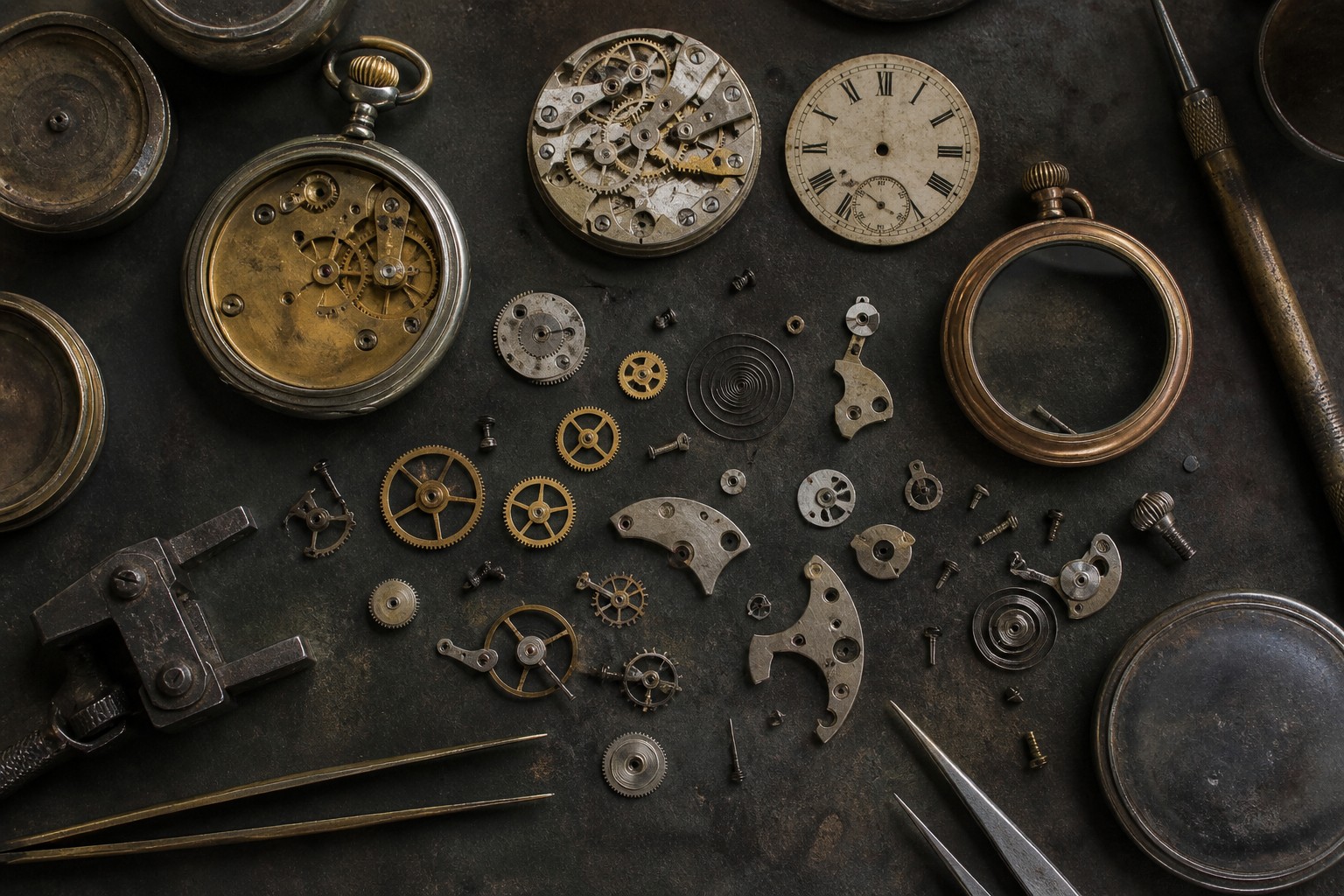
Pocket watch and small mechanical movement components on a workbench
Why no instant fixed price?
Wear, rust depth, part availability and previous repairs determine the true amount of work.
Good restoration is judged by the next decade of ownership, not by the first photograph after polishing.
Trend Haven

Ready to discuss a clock?

Send a short description of the clock’s age, symptoms and condition. Clear information helps us decide whether the next step should be photo advice, a bench assessment or careful transport planning.