Minimum effective intervention
We do only the work required for stability, function and responsible preservation. Replacement is considered when adjustment or conservation cannot safely solve the problem.

Trend Haven works with antique clocks that carry age honestly: darkened brass, tired oil, fragile dials, rusted steel and timber cases shaped by years of use.
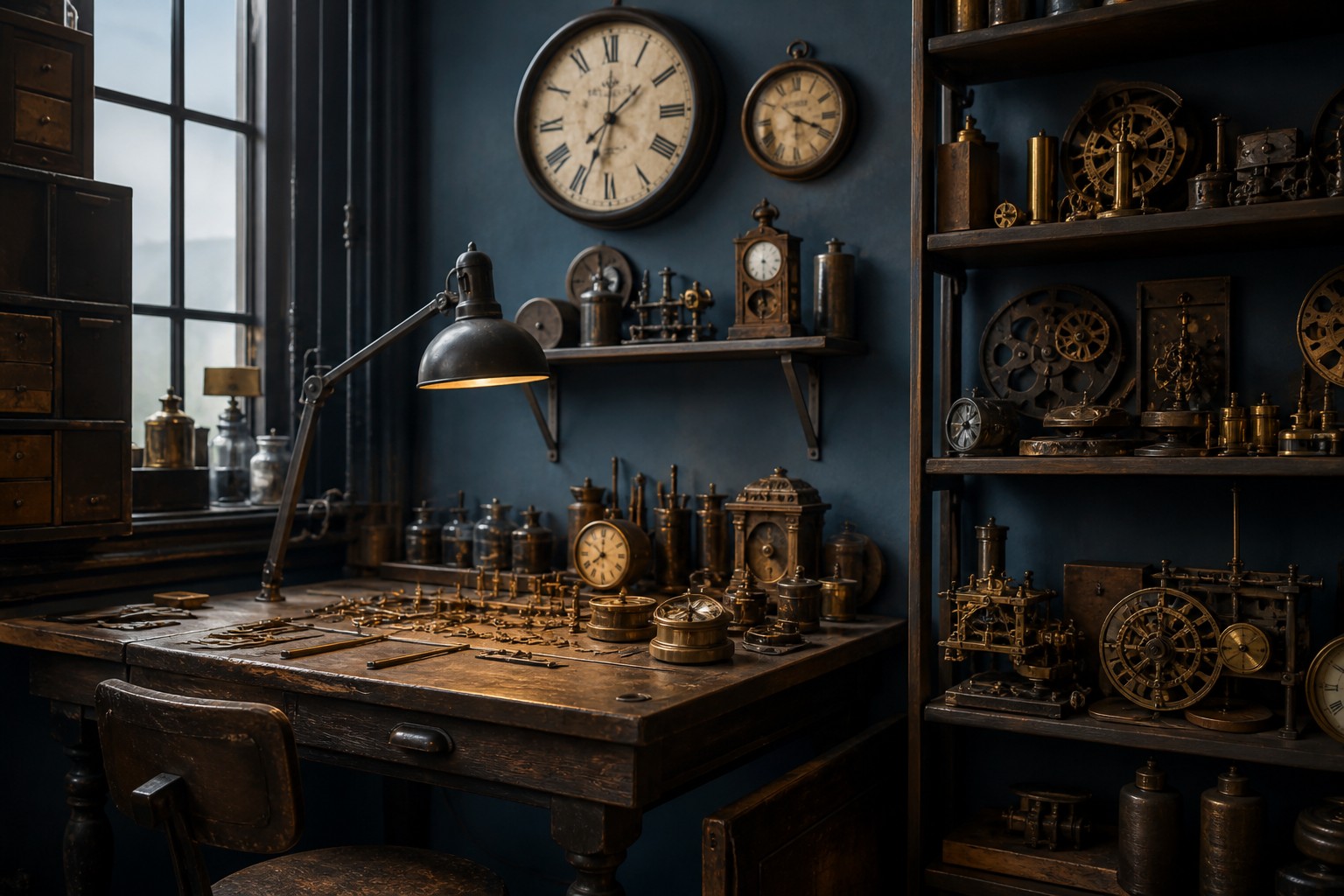
Many old clocks arrive with the same history. They ran in a family home for years, were stored during a move, then stopped after humidity, dust or an enthusiastic repair attempt changed the balance of the mechanism. The immediate temptation is to make the clock bright. We begin somewhere quieter: we ask what is damaged, what is original and what should remain untouched.
The workshop aesthetic reflects the materials we meet every day. Steel screws and springs age differently from brass plates. Shellac and varnish darken in layers. Dials can be fragile even when they look strong. Wood moves in tropical humidity. A good repair respects those realities while making the clock safe to use.
Our work is practical and transparent. We do not promise that every clock can be returned to perfect timekeeping, and we do not recommend invasive work simply because it photographs well. The correct solution is the one that gives the clock a stable future with the least unnecessary change.
These standards keep the work consistent, protect fragile pieces and help owners understand why each recommendation is made.
We do only the work required for stability, function and responsible preservation. Replacement is considered when adjustment or conservation cannot safely solve the problem.
Owners receive plain options before work begins. We separate essential repairs from optional cosmetic improvements and explain the risks of doing too much.
Cleaners, oils, waxes, abrasives and adhesives must suit the specific steel, brass, wood, dial and finish. A single chemical does not belong on every clock.
Conservation choices are documented so future caretakers understand what was applied and why. Permanent work is kept deliberate.
A clock is not finished when it first ticks. It is observed through running and striking cycles before collection or delivery is discussed.
Owners receive guidance on winding, placement, humidity and transport because many problems begin after a good repair is placed in a poor environment.
Restoration should make the clock easier to live with, not harder to recognise.Trend Haven
Our clients include families caring for inherited clocks, collectors managing small groups of mechanical pieces, interior studios seeking stable display clocks and owners who simply want honest advice before moving or winding an old timepiece.
We are especially careful with clocks that have sentimental value. The aim is not to impose a museum finish, but to preserve the features that connect the owner to the clock’s past.